Understanding Hair Loss Hair loss, also known as alopecia, is a widespread concern affecting both men and women—and increasingly, even children. According to research, nearly 50% of individuals experience noticeable hair fall at some point in life. While some hair fall may be temporary, others may struggle with persistent or even permanent thinning.Hair is made up of a protein …

Understanding Hair Loss
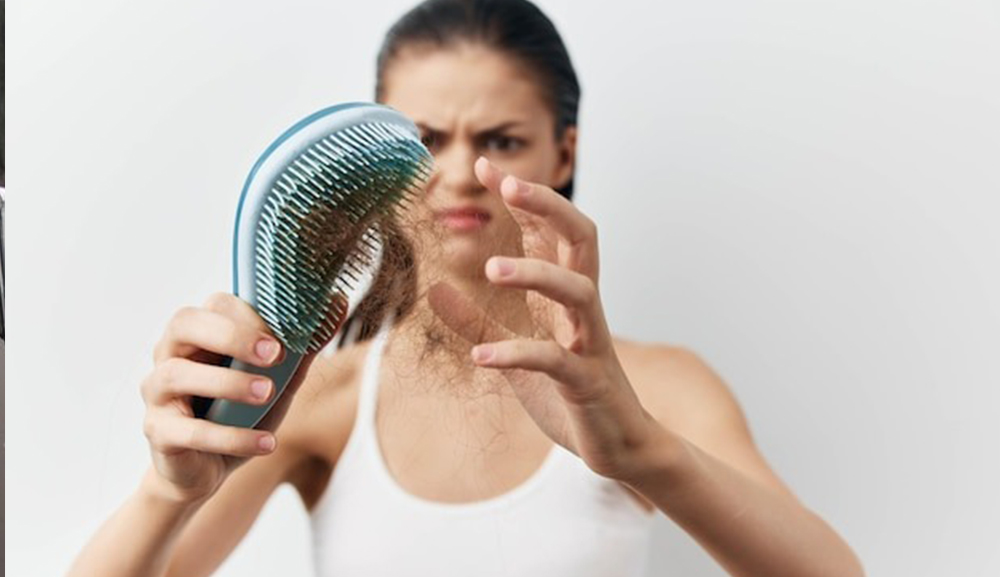
Hair loss, also known as alopecia, is a widespread concern affecting both men and women—and increasingly, even children. According to research, nearly 50% of individuals experience noticeable hair fall at some point in life. While some hair fall may be temporary, others may struggle with persistent or even permanent thinning.
Hair is made up of a protein called keratin, produced in hair follicles located in the outer layer of the skin. It grows in a cycle consisting of three phases: growth (anagen), rest (telogen), and shedding (catagen). While it is normal to lose about 50 to 100 hairs daily, excessive and consistent hair fall can signal an underlying issue that needs attention.
What Causes Hair Loss?
There are numerous reasons why individuals may experience hair fall. Some of the most common causes include:
Hereditary factors (Androgenetic alopecia)
Fungal infections on the scalp
Emotional or mental stress
Physical trauma or surgery
Hormonal imbalances, such as postpartum, menopause, or discontinuing birth control
Polycystic Ovarian Syndrome (PCOS)
Nutritional deficiencies — particularly Vitamin B, iron, and protein
Excessive intake of Vitamin A
Thyroid disorders
Chemotherapy and radiation therapy
Conventional medications, including antidepressants and antihypertensives
Harsh hair treatments, including coloring, heat styling, and chemical exposure
 Learn more about:
https://www.verywellhealth.com/androgenic-alopecia-2616683
https://www.btf-thyroid.org/hair-loss-and-thyroid-disorders
Types of Hair Loss / Alopecia
1. Androgenetic Alopecia (Pattern Baldness)
This is the most common type of hair loss and often runs in families. Men usually notice an “M”-shaped receding hairline, whereas women may experience thinning at the crown.
2. Telogen Effluvium
Often triggered by physical or emotional stress, this condition causes uneven hair thinning as more hair enters the shedding phase.
3. Alopecia Areata
This autoimmune disorder causes hair to fall out in circular patches. When it affects the entire scalp, it’s called alopecia totalis. If it involves the entire body, it’s termed alopecia universalis.
4. Scarring Alopecia
Here, the hair follicles are permanently damaged and replaced with scar tissue, usually accompanied by pain, burning, or itching.
5. Hair Loss from Cosmetic Overprocessing
Excessive heat, coloring, or chemical styling can lead to damaged hair and brittle, dry strands, eventually causing hair loss.
Homeopathic Treatment for Hair Loss
Fortunately, homeopathic treatment for hair loss offers a safe and holistic alternative to conventional methods. Rather than just masking symptoms, homeopathy targets the root causes—whether they stem from emotional trauma, hormonal fluctuations, or nutritional deficits.
Homeopathic remedies are individualized, selected according to a person’s overall constitution, lifestyle, and emotional state. As a result, treatment is gentle, long-lasting, and side-effect-free.
Learn more about how homeopathy works https://homeopathyhealthcare.ca
Best Homeopathic Remedies for Hair Loss
Here are some of the most effective homeopathic medicines for different types of hair loss:
1. Silicea
Helps strengthen weak hair roots. Promotes hair growth, shine, and heals scalp eruptions.
2. Kalium Carbonicum
Best for dry, brittle hair that falls easily. Commonly used when hair fall occurs from the temples, eyebrows, and beard.
3. Natrum Muriaticum
Effective for hair fall due to emotional distress or hormonal imbalance. Often accompanied by greasy dandruff and eczema.
4. Phosphorus
Hair falls out in bunches, especially with premature greying. Dandruff is dry and flaky; itching worsens after scratching.
5. Phosphoric Acid
Recommended for hair fall due to grief, mental fatigue, or emotional burnout. The scalp is greasy and itchy, and early greying is prominent.
6. Thuja Occidentalis
Best for dry hair with white, scaly dandruff. The scalp is sensitive and prone to moist eruptions.
7. Graphites
Hair falls from the sides of the scalp. The scalp feels cold, bruised, and itchy.
8. Carbo Vegetabilis
Ideal when hair loss is primarily at the back of the head. Itching worsens in bed at night; scalp is sore and painful to touch.
Self-Care Tips to Prevent Hair Loss
In addition to homeopathic treatment for hair loss, adopting healthy habits can support regrowth and prevent further damage:
Eat antioxidant-rich foods like berries, spinach, and carrots.
Include biotin in your diet — found in brown rice, oats, lentils, and sunflower seeds.
Lie with your head slightly lowered for 15 minutes daily to improve scalp blood flow.
Perform a daily scalp massage to stimulate follicles (50–100 strokes using a wide-toothed comb).
Avoid long exposure to sunlight and heated styling tools.
Do not comb wet hair as it breaks easily; allow it to air dry naturally.
Conclusion
Hair loss can be emotionally and physically challenging. However, with the right approach—including homeopathic treatment for hair loss and proactive self-care—you can regain healthier, stronger hair. Homeopathy doesn’t just stop hair fall; it nurtures the body from within, promoting long-term wellness and confidence

Anju Gupta, B.H.M.S. is the Founder of Homeopathy Health Care and a registered homeopath with the College of Homeopaths of Ontario, bringing over 25 years of clinical experience. She is dedicated to providing personalized, holistic homeopathic care that focuses on identifying and treating the root cause of illness while promoting long-term health and overall well-being.